July 23, 2026
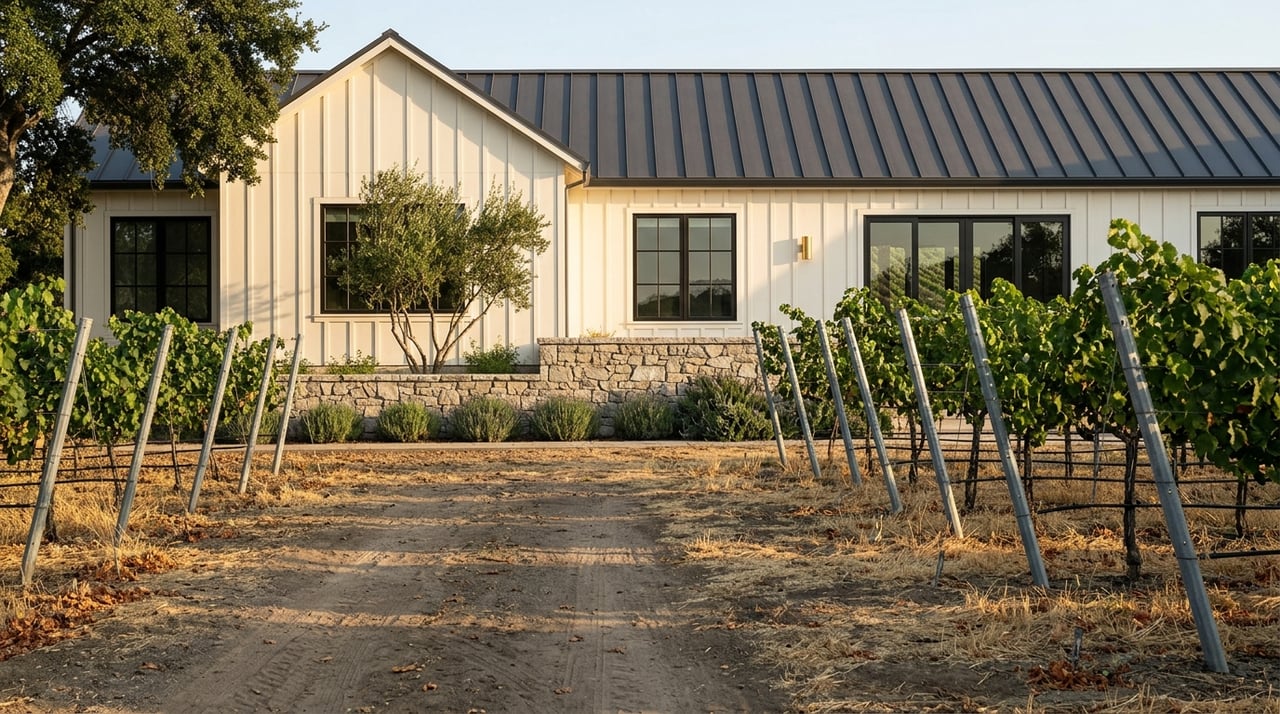
Wondering when to bring a Rutherford vineyard estate to market? In this part of Napa Valley, timing is not just about catching buyer attention. It is also about aligning your sale with the vineyard calendar, the look of the land, and the practical demands of a more selective market. If you are thinking about selling, understanding how these factors work together can help you choose a launch window that supports both value and day-to-day operations. Let’s dive in.
A Rutherford vineyard estate is often more than a home with scenic acreage. In Napa County, winegrapes dominate local agriculture, with the 2024 crop report showing total agricultural production at $1.0348 billion and winegrapes alone valued at $1.0310 billion across 45,967 bearing acres. That means winegrapes represented about 99.6% of the county’s agricultural production value.
For you as a seller, that matters because buyers may see the property through more than one lens. They may be evaluating the residence, the land, the vineyard story, and the operational rhythm of the estate at the same time. A well-timed sale can present all of those elements more clearly.
The broader market also supports a thoughtful approach. In May 2026, MLSListings reported a Napa County single-family median price of $929,000, 44 days on market, a 97% sale-to-list-price ratio, and 492 active listings. C.A.R. reported 6.2 months of unsold inventory and 68 days on market for Napa County in May 2026, compared with 2.3 months and 16 days for the Bay Area overall.
While the exact numbers differ by source, the pattern is consistent. Napa County tends to move at a steadier pace than the core Bay Area, which often rewards careful preparation over a rushed debut.
March, April, and May bring mild weather, color, and the early energy of the growing season in Napa Valley. According to Visit Napa Valley, this is when vineyards wake up, wildflowers bloom, and bud break begins. For many Rutherford estates, that can create a visually compelling setting for photography and private showings.
Spring can also feel more manageable than peak tourist months. With lighter crowds than summer and fall, it may be easier to coordinate access, vendor schedules, and presentation details. If your goal is to show the estate looking alive, polished, and approachable, spring often gives you a clean visual window.
Spring may be a strong fit if you want to:
This is not a fixed rule, but it is a practical pattern based on seasonal conditions in Napa Valley.
June through August is a lively stretch in Napa Valley. Visit Napa Valley describes summer as sun-drenched and active, with outdoor dining, hiking, and music festivals adding to the region’s appeal. For a Rutherford estate, that can support strong interest from buyers who want to experience the valley at its most vibrant.
The property may still look lush, and the weather is generally favorable for showings, photography, and outdoor entertaining spaces. Summer can help buyers imagine the full lifestyle that comes with owning a vineyard estate in central Napa Valley.
Summer also starts to overlap with the operational build-up to harvest. If your vineyard is active, this period can bring more demands behind the scenes. That may make summer better for controlled marketing, final preparation, or selective showings rather than a highly disruptive public launch.
In other words, summer can work well when your marketing plan is disciplined and tailored to the realities of the property. Timing should support the estate, not interfere with it.
Fall is harvest season, and it brings a level of atmosphere that is hard to match. Visit Napa Valley notes that grape harvest usually starts in August, while September and October are the busiest months of the year. Crush parties, harvest dinners, and seasonal events all add to the energy of the valley.
From a marketing standpoint, this can create powerful storytelling. Buyers may feel the rhythm of wine country more clearly during harvest than at any other time of year. If your estate’s identity is closely tied to vineyard operations, fall can make that story especially vivid.
The same qualities that make fall exciting can also make it complicated. Harvest season often means more traffic, tighter schedules, and less flexibility for photography and showings. Visit Napa Valley also notes that vineyard crews may work morning and night during harvest, which is an important operational consideration for active properties.
If you are considering a fall launch, preparation becomes even more important. Your listing plan should account for access, timing, privacy, and the day-to-day demands of the vineyard.
December through February is the quietest seasonal window in Napa Valley. Visit Napa Valley describes winter as tranquil, with fewer crowds and a calmer pace. For sellers, that often makes winter the best time to work behind the scenes.
This can be the season to gather records, refine your marketing plan, and prepare the property for a stronger public debut later. If your ideal launch is in spring or early summer, winter may give you the breathing room needed to get everything in order.
Napa County’s real estate guidance notes that buyers may review more than seller disclosures alone. They may also look at planning and building files, assessor records, parcel maps, and other public records. The county also states that disclosures should cover material facts and that assessor records can include prior ownership, taxes, and parcel information.
For a vineyard estate, that means preparation is not only cosmetic. You may need time to assemble a clear property paper trail along with your visual presentation.
A useful way to think about this is in seasons, not just weeks. Vineyard estates often require a longer runway than a typical residential listing because buyers may want to understand the land, records, and context before making a decision.
The best timing is usually the point where the property can be shown at its best without disrupting the work behind it. In Rutherford, that balance matters because the estate may function as both a residence and an agricultural asset.
A spring launch may be ideal if you want fresh visuals and lighter crowds. A fall launch may be worthwhile if harvest energy supports the story you want to tell. And if privacy, documentation, or operational timing are your top priorities, winter preparation with a later debut may offer the strongest path.
Napa Valley’s visitor economy also shapes this decision. Visit Napa Valley reported 3.7 million visitors in 2023, along with more than $2.5 billion in local visitor spending and about 16,000 tourism jobs. Those numbers help explain why peak wine-country atmosphere can also bring more traffic and less flexibility.
That is why polished execution matters. In a market like Rutherford, the right timing is rarely just the busiest season. It is the season that best supports your property’s presentation, your goals, and the estate’s operational reality.
No two Rutherford vineyard estates present exactly the same way. Some sellers want broad exposure and a fully staged launch. Others value discretion, selective marketing, or a more confidential process. The right timing depends on the property itself, how the vineyard functions, and what kind of buyer you want to reach.
That is where local knowledge becomes especially valuable. A thoughtful strategy can help you align the visual season, market conditions, and operational calendar so your estate enters the market with clarity and purpose.
If you are considering the timing of a Rutherford vineyard estate sale, Joel Toller can help you plan a launch that reflects the property, the season, and your goals with care and discretion.
October 15, 2026
October 8, 2026
October 1, 2026
September 24, 2026
September 17, 2026

September 10, 2026
September 3, 2026
August 27, 2026
August 20, 2026
The Joel Toller Team has a comprehensive understanding of the area to help you buy and sell at the right time for the right price. Let's connect today.