April 23, 2026
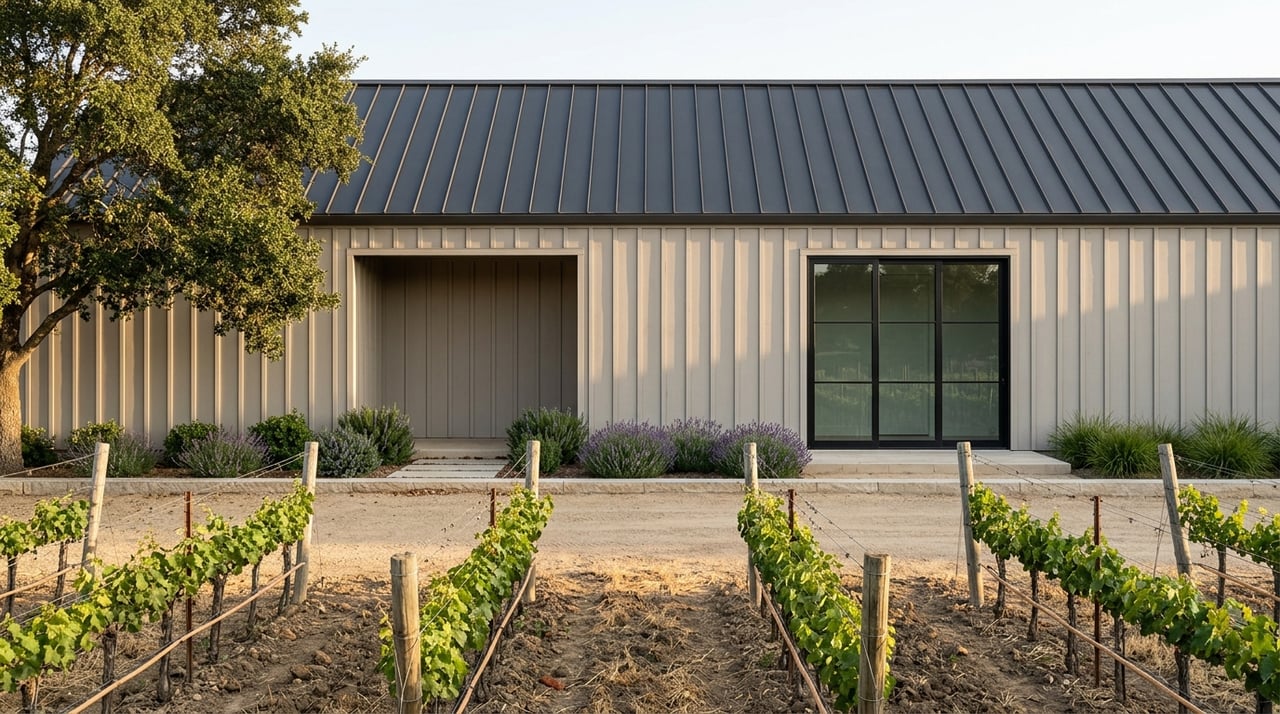
If you are thinking about buying in Rutherford, you are not just shopping for a home. You are looking at one of Napa Valley’s smallest and most recognized wine-growing areas, where land, location, and use rights can matter as much as the house itself. Whether you want a private estate, a home with vineyard rows, or a parcel with long-term potential, understanding the basics can help you move with more confidence. Let’s dive in.
Rutherford is a small American Viticultural Area in Napa Valley, officially recognized in 1993. According to the federal boundary rule, the AVA includes a compact area associated with Highway 29 and Zinfandel Lane, which helps explain why opportunities here can feel limited.
That small footprint matters when you are buying. Much of Rutherford is agricultural land, and the area is closely tied to well-known vineyards and wineries. In practical terms, that means the supply of residential homes and vineyard estates is naturally tighter than in larger Napa Valley submarkets.
Rutherford is also known for a distinct wine identity. Napa Valley Vintners highlights the area’s long-standing reputation for Cabernet Sauvignon, along with important Sauvignon Blanc plantings, historic estates, and varied growing conditions across the appellation.
Rutherford sits on the valley floor at one of the wider parts of Napa Valley, with warm sunshine and cool evenings. The TTB rule and Napa Valley Vintners overview both point to the area’s maritime-influenced climate and site diversity, which are part of what give the AVA its lasting prestige.
For you as a buyer, that prestige often translates into more than appearance. A Rutherford property may carry value because of its setting, vineyard potential, existing improvements, or historical association with the AVA. Even when two properties look similar on paper, their soils, exposure, and entitlement history can make them very different assets.
In many markets, buyers can focus mostly on square footage, finishes, and views. In Rutherford, those things still matter, but they are only part of the story. If a property includes vines or agricultural land, the value conversation usually expands.
That is because Rutherford soils vary meaningfully across the AVA. The Rutherford Dust Society describes a mix of gravelly, sandy, and loamy alluvial soils, with marine sedimentary and some volcanic materials, generally below 500 feet in elevation.
For vineyard-oriented purchases, soils, drainage, and sun exposure can influence how land is perceived and priced. Benchland, valley-floor, and hillside-adjacent parcels can appeal for different reasons, especially when buyers are weighing privacy, views, farming potential, and ease of access.
If you are considering a home with vines, or land that may support future agricultural use, terroir is not just a wine term. It is part of your due diligence. Soil depth, drainage patterns, and site exposure can shape how a parcel functions over time.
Rutherford’s western benchland is described by Napa Valley Vintners as gravelly and protected from the hottest afternoon sun, while the eastern side has its own distinct microclimates. That helps explain why one parcel may be valued differently from another, even within a small geographic area.
You may also find that view value works differently here. In Rutherford, premiums often come from elevation, benchland position, and mature screening rather than sheer acreage alone, especially when buyers want a balance of outlook, privacy, and access.
Before you fall in love with a Rutherford property, it is smart to understand how Napa County zoning may affect use. In unincorporated areas, parcels may fall within agricultural districts such as AP or AW, and those designations can strongly influence what is allowed.
Under Napa County code for AP and AW districts, agriculture is intended to remain the predominant use, and urban-type uses are generally limited. In AW, agriculture and one single-family dwelling per legal lot are allowed without a use permit, while wineries and related uses generally require additional approvals.
The main takeaway is simple: acreage alone does not tell you what a property can do. A parcel’s exact zoning, legal lot status, and prior approvals may matter just as much as its size or appearance.
Some buyers hope to purchase a Rutherford estate and add small-scale wine production. That may be possible on certain parcels, but it is not automatic. County rules for wineries, small wineries, and micro-wineries include parcel-size standards and operational limits.
Napa County’s micro-winery standards show that limited on-site production, tastings, and direct sales may be possible under specific conditions. Even so, every property should be reviewed individually, especially if you are relying on prior use, existing entitlements, or a path to future approvals.
If a property has an existing winery component, you should also confirm whether that use is active, legal, grandfathered, or subject to new permitting requirements. That history can affect both value and your future plans.
Buying a Rutherford estate often means evaluating two assets at once: a residence and agricultural land. That is why due diligence should go beyond the home inspection.
Before you move forward, it is wise to confirm:
Napa County’s stream setback rules can affect new structures, grading, earthmoving, and agricultural access roads, though existing legal vineyards may still be maintained. That is one reason buyers should avoid assumptions about what can be built, replanted, or expanded.
Rutherford is small, but even within a compact AVA, the feel of a property can vary. A parcel near Highway 29 may offer easier access and visibility, while an interior lane or elevated setting may provide a greater sense of privacy.
Neither is automatically better. It depends on how you plan to use the property, how important convenience is to you, and whether you value quick access over a more tucked-away setting.
This is also where existing improvements come into play. Mature landscaping, established screening, road approach, and the location of the residence on the parcel can all shape your day-to-day experience of the property.
If you are hoping for guest accommodations, caretaker housing, or added flexibility, be careful not to assume every rural parcel allows the same improvements. Napa County does provide pathways for accessory dwellings and second units on some properties, but qualification is parcel-specific.
According to the county’s accessory dwelling standards, these structures require zoning compliance and building permits. In other words, this is another area where you want property-specific review early in the process.
Rutherford pricing can be nuanced because buyers are often evaluating both residential appeal and agricultural fundamentals. A beautiful home may still raise questions if water, access, or permit history are unclear. On the other hand, a simpler residence on a strong site may attract interest because of soils, position, or flexibility.
It helps to think about value in layers:
In a reputation-driven AVA like Rutherford, those layers often overlap. That is why buying here usually benefits from a framework that looks beyond standard residential comps alone.
If Rutherford is on your shortlist, the best first step is to get clear on your goals. Are you looking for a primary residence, a second home, a legacy estate, or a property with vineyard or small production potential? The clearer your priorities, the easier it is to evaluate tradeoffs.
From there, focus on a process that protects both your lifestyle and your investment:
That kind of discipline can save time, reduce surprises, and help you make a more informed decision in a market where each parcel can be meaningfully different.
If you are considering a Rutherford estate, vineyard property, or land purchase, working with an advisor who understands both luxury homes and agricultural assets can make the process more efficient and more precise. The team at Joel Toller brings local Napa Valley knowledge, estate-market perspective, and vineyard-property experience to help you evaluate opportunities with confidence.
October 8, 2026
October 1, 2026
September 24, 2026

September 17, 2026

September 10, 2026
September 3, 2026
August 27, 2026
August 20, 2026
August 13, 2026
The Joel Toller Team has a comprehensive understanding of the area to help you buy and sell at the right time for the right price. Let's connect today.