January 15, 2026
Thinking about buying vineyard acreage in Oakville but unsure what truly drives value? You are not alone. Oakville’s reputation, soils, and regulations create both opportunity and complexity when you are investing in income-producing vines. In this guide, you will learn how to evaluate a parcel step by step so you can make a confident offer and plan your next moves. Let’s dive in.
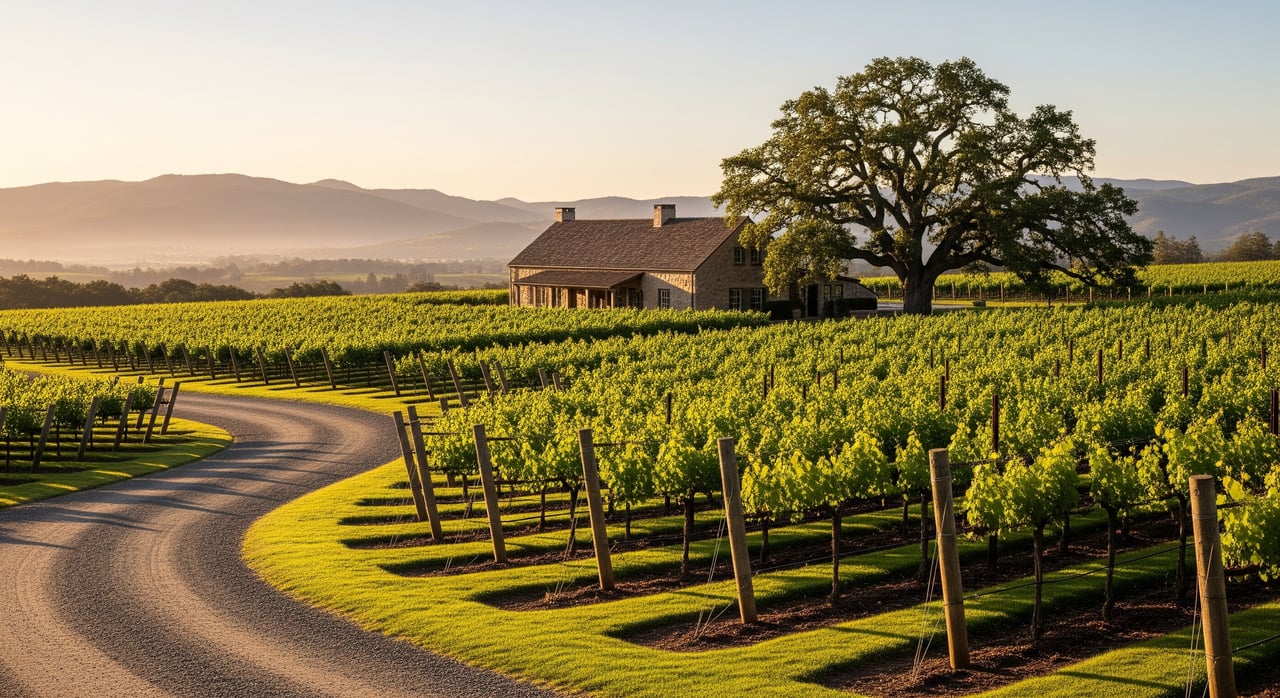
Oakville AVA sits in the heart of Napa Valley and is known for premium Cabernet Sauvignon and other Bordeaux varieties. That reputation translates into pricing power for both land and grapes. Parcels inside the AVA typically command more interest and higher values than similar sites just outside the boundary.
The Mediterranean climate features warm, dry summers and cool nights, with a beneficial day-to-night temperature swing for Cabernet-style varieties. At the same time, investors now weigh climate risks more carefully. Drought and water restrictions, heat waves that can push ripeness early, and wildfire or smoke events are important considerations in any purchase plan.
Oakville’s valley-floor benches include well-drained alluvial and loamy soils, often with gravelly components. Even within a single parcel, you can see meaningful differences in soil depth, texture, and drainage that affect vigor and wine style. Subtle slopes and benches can improve drainage and reduce frost risk, while low points can collect cold air and need different frost strategies.
Before anything else, confirm the parcel is inside the official Oakville AVA boundary. Boundary status affects both land pricing and the ability to sell grapes under the Oakville designation or produce estate wines labeled accordingly. Proximity to historic vineyard blocks can add marketing value and influence appraisal opinions.
Document the site’s microclimate. Note prevailing breezes, sun exposure, and any frost pockets. Ask the seller about historic frost events, heat spikes that required mid-season adjustments, and any wildfire or smoke impacts in recent vintages. Insurance history and availability are helpful context for your risk model.
Obtain recent soil maps and, if possible, a site-specific soil profile. Walk the block to confirm what the maps suggest. Look for well-drained sections, any compacted areas, and where shallow soils or pockets of clay might limit vigor. Note slope, aspect, and cold-air drainage paths. Even small changes in exposure influence ripeness timing and canopy needs.
What is planted drives near-term income and future flexibility. Review the vineyard map and confirm variety by block, clone, and rootstock. In Oakville, Cabernet Sauvignon and other Bordeaux varieties dominate, and premium clones paired with appropriate rootstocks are a positive signal for quality and marketability.
Vine age is a key input for your capital plan. The typical productive life for a commercial block is often in the 25 to 35-year range, though health and management practices matter. Many buyers plan staged replanting once vines surpass roughly 25 years or show declining yields or quality. Planting density, row orientation, and trellis type also affect yield potential, mechanization options, and operating costs.
Request pest and disease records. Ask about any phylloxera presence, trunk disease, nematode pressure, or Pierce’s disease incidents, as well as treatments. Review spray and fertilizer logs and any Integrated Pest Management records. These details help you forecast vine longevity and replant timing.
Water is central to vineyard performance and value. Identify the source or sources: on-site well, any municipal or district supply, surface water rights, or a shared agreement. Obtain well records, pump test data, historic yields, and notes on any shortfalls or restrictions. Confirm permits and any monitoring requirements.
Inspect the irrigation system. Review drip mainlines, filters, pump houses, electrical panels, and backup power. Look for signs of deferred maintenance. If frost protection is in place, assess the system condition and energy needs. Map internal vineyard roads and evaluate access for tractors and harvest trucks. Proximity to wineries or cooperatives affects hauling logistics and costs.
Your revenue model depends on tons per acre and price per ton, or the value of fruit when used in an estate wine program. In Oakville, premium blocks are often managed for quality rather than maximum tonnage, and pricing is contract- and vintage-dependent. Verify grape sales contracts, terms, duration, and pricing schedules, or align your plan with an estate production strategy.
Factor replant timelines and costs into your cash flow. A typical replant includes removal, site prep, a spring planting, a small crop by year two or three, and commercial production building in years three to five. Budget for several seasons of low or no income on replanted acres, plus capital outlays for new trellis, irrigation, and plant material. Obtain current quotes from local viticulture and vineyard management professionals before finalizing your numbers.
When it comes to valuation, use multiple lenses:
Napa County emphasizes agricultural preservation. Confirm zoning, permitted uses, and any winery entitlements with county planning before assuming future changes are possible. Identify conservation easements or deed restrictions that could limit use, expansion, or parcel adjustments.
Water law in California is complex. Review well permits, any surface water rights, and shared agreements. Confirm groundwater monitoring or reporting obligations. For larger changes, be prepared for environmental compliance steps such as riparian setbacks, potential CEQA reviews, and habitat surveys if the site includes creeks or sensitive areas.
Operating rules also affect your pro forma. Labor availability, wage guidelines, and seasonal housing considerations influence cost structures. Insurance and wildfire preparedness requirements, including defensible space and access for emergency vehicles, can carry added costs and should be integrated into your acquisition plan.
Use this practical list to organize your process and reduce surprises.
Evaluating Oakville acreage is about aligning a prized location with the right vines, reliable water, and a clear operating plan. If you confirm the AVA boundary, document the vineyard block by block, validate water and infrastructure, and model conservative economics, you position yourself to compete for best-in-class sites while managing risk. Build a team early, ask for complete records, and pressure-test your assumptions with local specialists.
If you are considering a purchase in Oakville or the central Napa Valley, connect with a local team that understands vineyard economics, county processes, and confidential transactions. Reach out to Joel Toller to discuss your goals and next steps. Schedule a Confidential Consultation.

October 15, 2026
October 8, 2026
October 1, 2026
September 24, 2026
September 17, 2026

September 10, 2026
September 3, 2026
August 27, 2026
August 20, 2026
The Joel Toller Team has a comprehensive understanding of the area to help you buy and sell at the right time for the right price. Let's connect today.