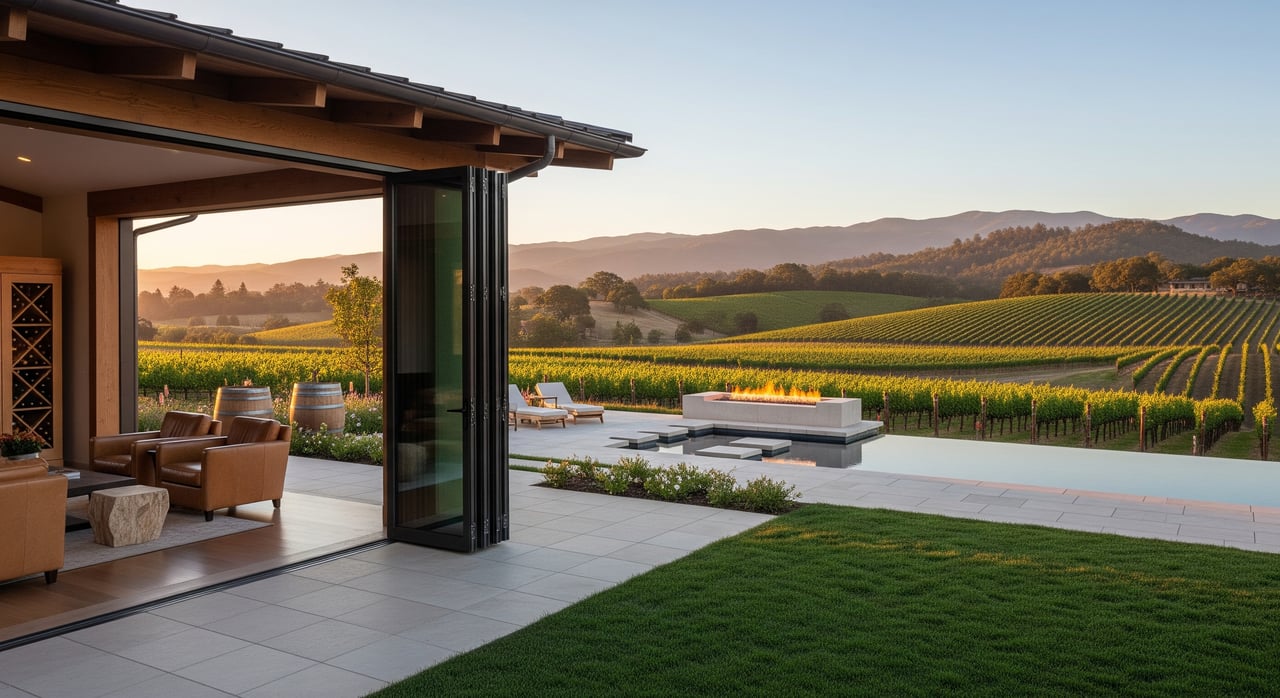
Thinking about living closer to the vines without giving up city convenience? If you work in wine, split your week between client meetings and production sites, or commute to the Bay Area, Santa Rosa gives you more housing options and simpler logistics than many smaller wine towns. You want quick access to tasting rooms and AVAs, a manageable commute on US‑101 or CA‑12, and a neighborhood that fits your day-to-day. This guide breaks down Santa Rosa’s key neighborhoods through a wine country lens, plus commute, wildfire, and relocation tips you can use right away. Let’s dive in.
Why Santa Rosa works
Santa Rosa sits at the center of Sonoma County, with direct routes to Russian River, Bennett Valley, and Alexander Valley, and straightforward access toward Sonoma and Napa. That central position matters when your schedule mixes vineyard visits, supplier meetings, and client hospitality. As the county’s largest city, Santa Rosa also concentrates the services wine professionals rely on, including hospitality, education, industrial support, and coworking.
You also have regional connectivity. US‑101 is the main north–south spine through town, while CA‑12 links you east toward Sonoma and Napa. Charles M. Schulz–Sonoma County Airport offers regional flights that help with business travel and client visits. Keep in mind that wine tourism drives seasonal and weekend traffic, especially late summer and fall, so build in extra time on CA‑12, US‑101, and rural roads during peak periods.
Neighborhood snapshots
Below are the core Santa Rosa areas many wine country professionals consider. Use them to narrow based on your daily destinations and lifestyle priorities.
Downtown and Railroad Square
- Best for: walkability, client meetings, and remote work convenience.
- Housing: historic homes, Victorian flats, lofts, and mixed-use condos above street-level retail.
- Commute: fast access to CA‑12 east for Sonoma and Napa; many tasting rooms are 20–40 minutes away depending on destination and time of day.
- Lifestyle: restaurants, tasting rooms, coworking, local transit, and proximity to SMART rail stops.
- Notes: denser, less private. Parking and short-term rental rules can affect anyone planning to host clients or visiting staff.
Why it fits: If you spend as much time hosting buyers or trade contacts as you do on-site, downtown’s dining and hospitality core helps you stay close to meetings and after-work amenities.
Fountaingrove and Fountaingrove Parkway
- Best for: newer construction, hilltop settings, and quick US‑101 access.
- Housing: newer single-family homes, luxury estates, and planned communities.
- Commute: efficient reach to US‑101 for north–south travel; CA‑12 and CA‑121 provide routes toward Sonoma and Napa.
- Lifestyle: private-feel neighborhoods with nearby shopping and club-style amenities.
- Notes: the area experienced damage in the 2017 Tubbs Fire and has seen rebuilding. Factor in wildfire mitigation and potential insurance considerations.
Why it fits: Managers and executives who want space, views, and a streamlined highway commute often prioritize this corridor.
Rincon Valley and Coffey Park area
- Best for: value, yards, and a classic suburban feel.
- Housing: post‑war ranch homes, mid‑century properties, and newer infill subdivisions.
- Commute: CA‑12 east toward Sonoma and Napa; convenient to eastern county roads for Bennett Valley and Sonoma Valley.
- Lifestyle: parks, schools, grocery, and everyday retail.
- Notes: lot sizes and streetscapes vary by tract. A practical choice if you want a single-family home close to services.
Why it fits: Winery staff and remote professionals who want space and predictability tend to gravitate here for budget and convenience.
Bennett Valley and West Bennett Valley
- Best for: a quiet residential base with open space nearby.
- Housing: ranch-style homes, larger lots, some newer subdivisions, and hillside properties.
- Commute: CA‑12 to Sonoma and Napa; local roads connect to eastern AVAs.
- Lifestyle: parks, access to hiking, and a suburban-rural balance.
- Notes: some homes sit near rural roads used by vineyard crews, which can be a plus if you split days between town and field.
Why it fits: Professionals who value a calmer setting and easy access to recreation find long-term appeal in this area.
Spring Lake and Annadel State Park area
- Best for: outdoor-focused lifestyles and quick trail access after work.
- Housing: cottages and ranch homes on mid-size lots; many homes are near park and lake trailheads.
- Commute: local arterials feed US‑101 and CA‑12; travel times vary by time of day and season.
- Lifestyle: Annadel State Park anchors hiking, mountain biking, and lakeside recreation.
- Notes: properties near wildland areas should follow defensible-space rules and ongoing fire-safety maintenance.
Why it fits: If your best thinking happens on a morning trail run, this edge-of-nature location keeps you close to both work routes and recreation.
Mark West and Mark West Springs
- Best for: proximity to northern Sonoma AVAs and properties with more land.
- Housing: rural acreage and ranches mixed with suburban subdivisions; some agricultural parcels.
- Commute: Mark West Springs Road and CA‑116 connect to Larkfield and northward hubs; US‑101 access for southbound trips.
- Lifestyle: a more rural feel with wine-industry-adjacent services.
- Notes: agricultural zoning and more frequent truck or equipment movement in some areas.
Why it fits: If your work centers on Alexander Valley or Chalk Hill, or you need space for equipment, this corridor aligns with your daily routes.
West Santa Rosa, Steele Lane, and Roseland
- Best for: budget-conscious buyers and efficient access to US‑101.
- Housing: older single-family homes, mobile-home communities, and multifamily options.
- Commute: quick US‑101 access for Bay Area commutes; straightforward drives toward western AVAs.
- Lifestyle: big-box retail, community resources, and active transportation corridors.
- Notes: areas can vary block by block. Expect a mix of residential and commercial interfaces.
Why it fits: If you prize value and highway access, these neighborhoods offer practical choices within city limits.
Commute and transit tips
- Primary arteries: US‑101 handles most north–south travel, while CA‑12 takes you east to Sonoma and Napa. CA‑116 serves Sebastopol and the Russian River corridor.
- Typical drive times: plan for 20–60 minutes to many Sonoma or Napa tasting cores depending on origin, destination, and time of day. Factor in seasonal surges during harvest and on weekends.
- Rail and buses: SMART commuter rail connects parts of Santa Rosa to Marin with ferry links to San Francisco. Santa Rosa CityBus and Sonoma County Transit cover many city corridors, but rural winery locations often require a car.
- Airport access: Charles M. Schulz–Sonoma County Airport supports regional commercial service useful for business travel and client visits.
- Rural roads: many vineyard sites sit along two-lane roads. Budget time for slow equipment and consider vehicle needs for unpaved or narrow routes.
Wildfire, insurance, and rules
Wildfire risk varies by neighborhood, especially in hillside areas. Properties in places like Fountaingrove have a rebuild history after 2017 and may involve specific insurance and mitigation steps. Review Cal FIRE hazard maps for parcel-level guidance and confirm defensible-space requirements with the city.
Insurance availability and premiums can differ by location and property features. If you are evaluating rebuilds or hillside homes, talk with insurers early to understand coverage and costs. If you plan to host clients or short-stay staff, verify the latest short‑term rental ordinances. Rules differ between city limits and unincorporated county areas, and permits may be required.
A simple neighborhood fit framework
Use these filters to narrow your search quickly:
- Your primary destination: tasting rooms and downtown meetings suggest Downtown or Railroad Square. Field work in northern AVAs points toward Mark West. A split schedule across county lines benefits from Fountaingrove or West Santa Rosa for US‑101 access.
- Commute reliability: if you travel CA‑12 daily, prioritize direct eastbound access from Downtown, Rincon Valley, or Bennett Valley. For Bay Area trips, streamline with proximity to US‑101.
- Lifestyle needs: want nightlife and coworking? Choose Downtown. Prefer trails and quiet evenings? Shortlist Spring Lake and Annadel. Need yards and garages for gear? Consider Rincon Valley.
- Risk tolerance and upkeep: if wildfire mitigation and insurance are top concerns, weigh newer construction and defensible-space readiness. Review parcel-level hazard designations before you offer.
- Budget and space: West Santa Rosa and parts of Rincon Valley often deliver more house for the dollar within city limits, while hilltop settings and view homes tend to command a premium.
Relocation checklist for wine professionals
- Test actual commute times to your frequent destinations on a weekday morning, a weekend afternoon, and during harvest season.
- Review Cal FIRE hazard maps and the City of Santa Rosa’s fire mitigation requirements for any property you seriously consider.
- Get early insurance quotes that reflect the home’s construction type, roof, and location, especially for hillside or rebuild properties.
- Confirm short‑term rental and hosting rules if you plan to accommodate visiting clients or team members.
- Map local transit options if you rely on SMART or buses for part of your commute.
- Ask your agent for recent neighborhood-level market data so you understand pricing trends and days on market before you bid.
Making your move
Santa Rosa gives you the flexibility many wine country professionals need: a range of housing types, realistic commutes in every direction, and access to the services that keep your work moving. Whether you want a walkable downtown base for client dinners, a hilltop home with views and a newer build, or a suburban setting close to parks and schools, you can find a fit that supports both your schedule and lifestyle.
If you are weighing trade-offs between commute reliability, wildfire considerations, and property features, a local advisor can help you benchmark options. The right plan includes real-world drive tests, insurance checkpoints, and a clear picture of neighborhood-by-neighborhood market dynamics.
Ready to explore neighborhoods that match your wine country career and lifestyle? Schedule a confidential conversation with Joel Toller to align your goals with the right Santa Rosa address.
FAQs
Which Santa Rosa areas offer the fastest route to Napa or Sonoma?
- Neighborhoods with direct CA‑12 access, such as Downtown, Bennett Valley, and Rincon Valley, tend to provide the most reliable eastbound commutes, though travel varies by time and season.
Is Downtown Santa Rosa practical for client meetings in wine country?
- Yes, Downtown and Railroad Square put you near restaurants, tasting rooms, coworking, and regional transit, which makes scheduling client lunches and evening tastings easier.
How long is the typical commute from Santa Rosa to tasting rooms?
- Many Sonoma and Napa tasting cores are about 20–60 minutes away, depending on origin and traffic; expect longer times on weekends and during harvest season.
Are there newer homes with wildfire considerations already addressed?
- Areas like Fountaingrove include newer construction due to post‑2017 rebuilding; still evaluate parcel-level wildfire risk, mitigation features, and insurance specifics before you offer.
Can I host visiting clients or short-term staff at my Santa Rosa home?
- It depends on current city or county short‑term rental rules for your address; verify permitting, occupancy, and parking requirements before planning any hosting.