June 4, 2026
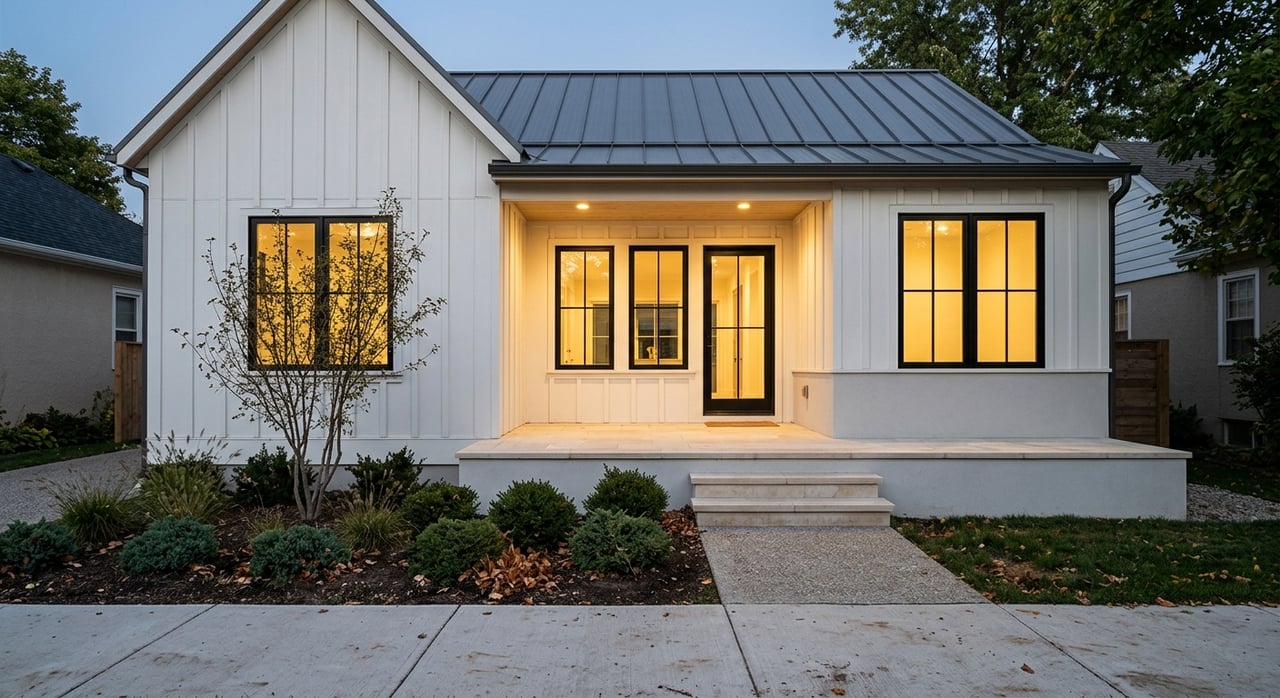
Choosing between Downtown Napa and a hillside estate is not just about square footage or style. In Napa, these two settings support very different ways of living, shaped by how the city and county guide growth, preserve land, and balance daily convenience with privacy. If you are trying to decide which Napa lifestyle fits you best, this guide will help you compare the tradeoffs with clarity and confidence. Let’s dive in.
In Napa, the contrast between downtown living and hillside or vineyard-view living is built into local planning. The City of Napa’s General Plan looks toward a compact urban core, while Napa County directs most housing and commercial growth toward incorporated areas and designated urbanized areas and protects agricultural, watershed, and open-space land.
That framework helps explain why these options often feel like two distinct lifestyle products rather than two versions of the same market. One emphasizes walkability, activity, and access. The other emphasizes land, views, and a more self-contained ownership experience.
Census QuickFacts also suggest that this choice is not usually about a dramatic gap in value. Napa city’s median owner-occupied home value is reported at $856,400, while Napa County’s is $869,500. Mean commute times are also relatively close, at 23.9 minutes in the city and 24.9 minutes countywide.
Downtown Napa is designed as the city’s center for business, civic, and cultural activity. The Downtown Specific Plan describes a compact, walkable environment with shops, services, restaurants, public and cultural facilities, parks, and entertainment.
If you enjoy being able to step out for dinner, stroll to the riverfront, or combine errands into one outing, downtown offers that convenience. For many buyers, the appeal is not just location. It is the ease of having more of daily life close at hand.
The city’s planning documents also support mixed-use development, including housing above retail and other active ground-floor uses. That creates a more layered environment where residential living sits near everyday activity.
Downtown Napa has long served as a social and cultural hub. City planning materials point to the Napa River, Napa Creek, restaurants, parks, theater, art and performance space, hotels, and some nighttime entertainment as part of downtown’s identity.
That energy still defines the area today. Downtown includes dining, shopping, public art, and performance venues, all of which contribute to a lively atmosphere that many buyers actively seek.
For some, that means a more engaging everyday experience. For others, it may mean more foot traffic, more event activity, and less separation from the rhythm of the city.
A downtown address can support a lower-maintenance lifestyle, especially for buyers who want to simplify day-to-day routines. Downsizers, second-home buyers, and relocators often value the ability to walk or bike to destinations and spend less time managing extensive land or exterior features.
At the same time, downtown living can come with practical considerations. The City of Napa identifies parking as a major planning issue, which reflects a real part of the downtown experience. If easy parking, quiet surroundings, and separation from activity matter most to you, that is worth weighing carefully.
Downtown Napa often appeals to buyers who want:
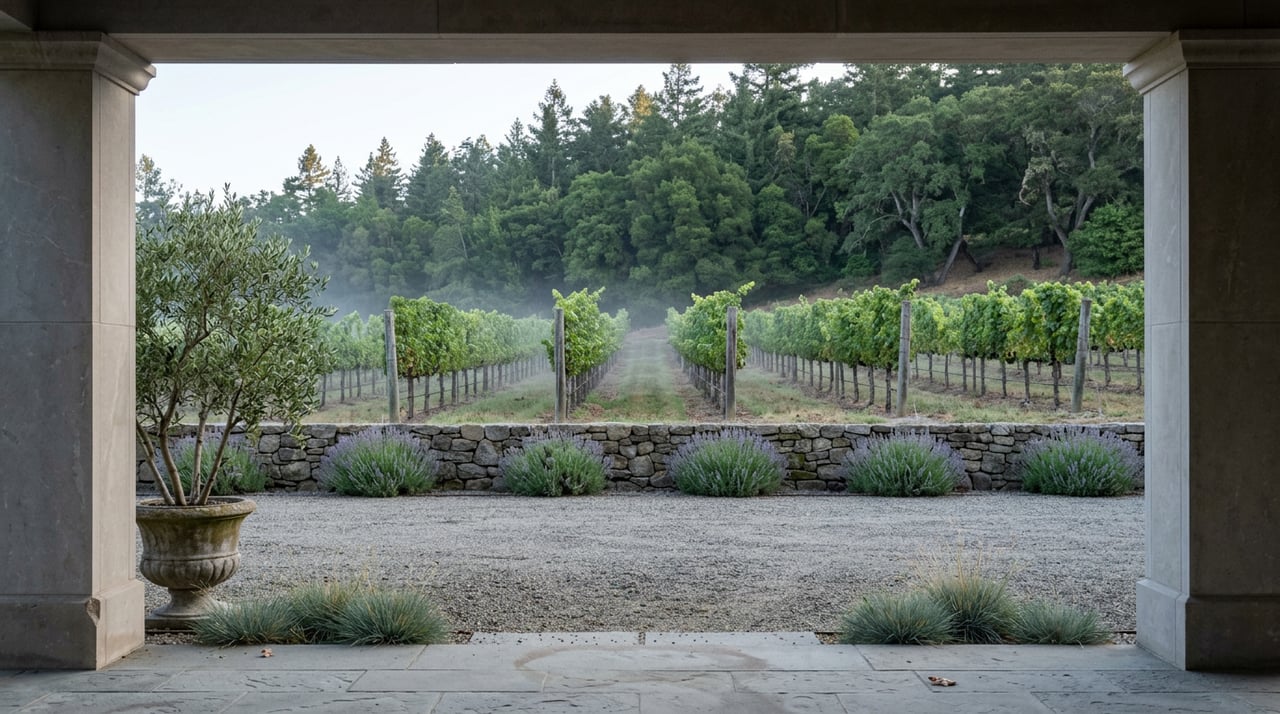
Hillside and vineyard-view properties offer a very different kind of Napa living. Here, the value often begins with privacy, visual openness, and a stronger sense of separation from the activity of town.
For many buyers, that means waking up to broader view corridors, larger setbacks, and a quieter setting. Instead of walking to dinner, you may be choosing a property for the experience it creates at home.
That difference can be especially meaningful for primary residents who want more seclusion or second-home buyers who want a retreat-like feel. It can also appeal to buyers who see the property itself as the centerpiece of the lifestyle.
Hillside ownership is shaped by the land in ways downtown living usually is not. The City of Napa’s hillside development checklist highlights grading, driveway location, building site placement, building design, and landscaping, all with the goal of fitting development to the land and reducing visibility and site disturbance.
That tells you something important as a buyer. In hillside settings, the physical characteristics of the site are often central to how a property is designed, used, and maintained.
The city also notes that hillsides are important visual assets but can involve geotechnical, fire, erosion, water-pressure, and public-safety challenges. These are not reasons to avoid hillside property, but they are part of understanding the ownership experience.
Napa County’s land-use framework preserves agriculture as the primary land use in large areas outside urbanized development. The county also uses large minimum parcel sizes in protected areas, and agricultural preserve contracts under the Williamson Act can restrict parcels to agricultural use.
This supports the rural, estate, and vineyard-oriented character that many buyers are looking for. It also means ownership near agricultural land can involve a different set of expectations than urban living.
Buyers near agricultural areas should expect right-to-farm disclosures. Farming activity can include dust, noise, odors, and operational activity, all of which are part of the landscape in wine-country settings.
One of the clearest lifestyle differences between downtown and hillside living is how you move through the day. Downtown supports a more walkable routine. Hillside and vineyard-view properties are typically more car-dependent.
That does not make one better than the other. It simply means convenience looks different. In a hillside setting, the reward is often more space, privacy, and immersion in the landscape, with the tradeoff of more driving and more property oversight.
Hillside and vineyard-view estates often appeal to buyers who want:
| Lifestyle Factor | Downtown Napa | Hillside or Vineyard-View Estates |
|---|---|---|
| Daily rhythm | Active and connected | Quiet and self-contained |
| Getting around | Often walkable or bike-friendly | Usually car-dependent |
| Surroundings | Shops, dining, culture, events | Views, open land, rural edges |
| Maintenance profile | Often lower-maintenance living | Often more land and site oversight |
| Privacy level | Typically less secluded | Typically more private |
| Key considerations | Parking, activity, foot traffic | Grading, access, fire, erosion, agricultural context |
A good way to compare these settings is to picture a normal week, not just a special weekend. If your ideal routine includes walking to dinner, meeting friends downtown, and staying close to arts and events, the urban core may fit naturally.
If your ideal routine centers on quiet mornings, outdoor living, long views, and a more retreat-like home base, a hillside property may feel more aligned. The right answer often becomes clearer when you focus on how you want everyday life to feel.
Some buyers want a home that lets them lock up and leave with relative ease. Others want a property that feels immersive and substantial, even if that means more ongoing attention to the site.
That is a meaningful distinction in Napa. Downtown often supports convenience and simplicity, while hillside ownership may ask for a more hands-on understanding of the land, access, and surrounding uses.
If you are choosing between these two Napa lifestyles, ask yourself which of these priorities matters most:
Your answer will usually point you in the right direction faster than price alone.
In Napa, lifestyle choices are closely tied to planning rules, land-use patterns, and property-specific realities. Downtown residences and hillside estates may both be desirable, but they operate within very different contexts.
That is why local insight matters. Understanding how a property fits into the city’s urban fabric or the county’s agricultural and open-space framework can help you make a more confident decision and avoid surprises later.
Whether you are drawn to downtown convenience or the privacy of a hillside estate, the goal is the same: finding a property that fits how you actually want to live. If you are weighing both options in Napa, working with a team that understands luxury homes, land, and the nuances of Napa Valley can make that process far more strategic.
When you are ready to explore the lifestyle that fits you best, connect with Joel Toller for a confidential consultation.
October 8, 2026
October 1, 2026
September 24, 2026
September 17, 2026

September 10, 2026
September 3, 2026
August 27, 2026
August 20, 2026
August 13, 2026
The Joel Toller Team has a comprehensive understanding of the area to help you buy and sell at the right time for the right price. Let's connect today.